Apple iPhone 18 Pro vs Google Pixel 11 Pro Fold
11 reviews 3.9
15 reviews
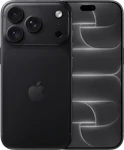 Apple iPhone 18 Pro |
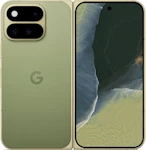 Google Pixel 11 Pro Fold |
|
|---|---|---|
| Release Date | 18 September 2026 | 20 August 2026 |
| Expert Rating |
4.6 11 reviews |
3.9 15 reviews |
| Screen | 6.3" | 6.5" |
| Display | Super Retina XDR OLED | OLED |
| Resolution | 1206 x 2622 | 1080 x 2342 |
| Pixels Per Inch | 458 | 397 |
| Rear Camera | 48 Megapixels | 48 Megapixels |
| Front Camera | 18 Megapixels | 10 Megapixels |
| Chipset | Apple A20 Pro (2 nm) | Google Tensor G5 (4 nm) |
| Battery | 4,056 mAh | 4,806 mAh |
| Storage | 256GB, 512GB, 1TB, 2TB | 256GB, 512GB, 1TB |
| OS | Apple iOS | Android 15 |
| SIM Type | nano-SIM and e-SIM | nano-SIM and e-SIM |
| Connectivity | Up to 5G | Up to 5G |
| Wi-Fi | 802.11 a/b/g/n/ac/6e/7 | 802.11 a/b/g/n/ac/6e/7 |
| Bluetooth | 6.0, A2DP, LE | 5.3, A2DP, LE, aptX HD |
| Dimensions | 150.0 x 71.9 x 8.75 mm | 155.2 x 76 x 10.1 mm |
| Weight | 211 grams | 239 grams |
| Water Resistance | IP68 dust/water resistant (up to 6m for 30 mins) | IP68 - Dust and water resistant over 1.5 meter and 30 minutes |
| Deals | Deals |
Compare with AI
Ask ChatGPT or Claude to weigh up the Apple iPhone 18 Pro and Google Pixel 11 Pro Fold for you, from our full specs, expert review scores and live UK deals. Try asking: “Which has the better camera and battery life, the Apple iPhone 18 Pro or the Google Pixel 11 Pro Fold?”
Related Comparisons
Frequently Asked Questions
Which has the better screen, the Apple iPhone 18 Pro or Google Pixel 11 Pro Fold?
The Google Pixel 11 Pro Fold has the bigger screen at 6.5" compared to the Apple iPhone 18 Pro's 6.3", the Apple iPhone 18 Pro has the sharper display at 458 pixels per inch versus 397, and the Apple iPhone 18 Pro uses a Super Retina XDR OLED panel while the Google Pixel 11 Pro Fold has a OLED.
Which has the better camera, the Apple iPhone 18 Pro or Google Pixel 11 Pro Fold?
The Apple iPhone 18 Pro features a 48 Megapixels rear camera, while the Google Pixel 11 Pro Fold has a 48 Megapixels rear camera. Both devices also have front-facing cameras for selfies and video calls.
What storage options are available for the Apple iPhone 18 Pro and Google Pixel 11 Pro Fold?
The Apple iPhone 18 Pro is available in 256GB, 512GB, 1TB, 2TB, while the Google Pixel 11 Pro Fold comes in 256GB, 512GB, 1TB.
What processors do the Apple iPhone 18 Pro and Google Pixel 11 Pro Fold use?
The Apple iPhone 18 Pro is powered by the Apple A20 Pro (2 nm), while the Google Pixel 11 Pro Fold uses the Google Tensor G5 (4 nm).
Which is easier to carry and hold, the Apple iPhone 18 Pro or Google Pixel 11 Pro Fold?
The Apple iPhone 18 Pro is the more portable of the two: it's 28g lighter at 211 grams, it's also the more compact phone at 150.0 x 71.9 x 8.75 mm, and is slimmer at 8.75mm thick.
Which is more water resistant, the Apple iPhone 18 Pro or Google Pixel 11 Pro Fold?
The Apple iPhone 18 Pro is rated IP68 dust/water resistant (up to 6m for 30 mins), while the Google Pixel 11 Pro Fold is rated IP68 - Dust and water resistant over 1.5 meter and 30 minutes.
What operating system do the Apple iPhone 18 Pro and Google Pixel 11 Pro Fold run?
The Apple iPhone 18 Pro runs Apple iOS and the Google Pixel 11 Pro Fold runs Android 15. This is one of the biggest factors when choosing between the two, as each ecosystem has its own apps, services and features.