Samsung Galaxy S23 Ultra vs Samsung Galaxy Z Fold6
Over a full contract, the S23 Ultra 5G works out around £748 all-in, about £450 less than the Z Fold6.
10 reviews 4.0
10 reviews
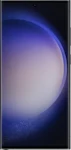 Samsung Galaxy S23 Ultra
|
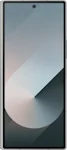 Samsung Galaxy Z Fold6
|
|
|---|---|---|
| Expert Rating | 4.5 10 reviews |
4.0 10 reviews |
| Screen | 6.8" | 7.6" |
| Display | Dynamic AMOLED 2X | Foldable Dynamic AMOLED 2X |
| Resolution | 1440 x 3080 | 1856 x 2160 |
| Pixels Per Inch | 500 | 375 |
| Rear Camera | 200 Megapixels | 50 Megapixels |
| Front Camera | 12 Megapixels | 4 Megapixels |
| Chipset | Qualcomm SM8550-AC Snapdragon 8 Gen 2 (4 nm) | Qualcomm SM8550-AC Snapdragon 8 Gen 3 (4 nm) |
| Battery | 5,000 mAh | 4,400 mAh |
| Storage | 256GB, 512GB | 256GB, 512GB, 1TB |
| OS | Android 13 | Android |
| SIM Type | Nano SIM | nano-SIM and e-SIM |
| Connectivity | Up to 5G | Up to 5G |
| Wi-Fi | 802.11 a/b/g/n/ac/6e | 802.11 a/b/g/n/ac/6/7 |
| Bluetooth | 5.3, A2DP, LE | 5.3, A2DP, LE, aptX HD |
| Dimensions | 163.4 x 78.1 x 8.9 mm | 153.5 x 68.1 x 12.1 mm |
| Weight | 233 grams | 239 grams |
| Water Resistance | IP68 - Dust and water resistant over 1.5 meter and 30 minutes | IPX8 - water resistant (up to 1.5m for 30 mins) |
| Contracts |
£59.00/mo
£30.00 upfront |
£96.50/mo
£30.00 upfront |
| SIM-free | £319.00 | £604.99 |
| Deals | Deals |
Cheapest Deals

Related Comparisons
Frequently Asked Questions
Is the Samsung Galaxy S23 Ultra or Samsung Galaxy Z Fold6 cheaper on contract?
Based on total cost of ownership, the Samsung Galaxy S23 Ultra is cheaper on contract at £748.00 over the life of the deal from £59.00 per month with £30.00 upfront.
Which has the better screen, the Samsung Galaxy S23 Ultra or Samsung Galaxy Z Fold6?
The Samsung Galaxy Z Fold6 has the bigger screen at 7.6" compared to the Samsung Galaxy S23 Ultra's 6.8", the Samsung Galaxy S23 Ultra has the sharper display at 500 pixels per inch versus 375, and the Samsung Galaxy S23 Ultra uses a Dynamic AMOLED 2X panel while the Samsung Galaxy Z Fold6 has a Foldable Dynamic AMOLED 2X.
Which has the better camera, the Samsung Galaxy S23 Ultra or Samsung Galaxy Z Fold6?
The Samsung Galaxy S23 Ultra features a 200 Megapixels rear camera, while the Samsung Galaxy Z Fold6 has a 50 Megapixels rear camera. Both devices also have front-facing cameras for selfies and video calls.
Which is cheaper to buy SIM-free, the Samsung Galaxy S23 Ultra or Samsung Galaxy Z Fold6?
The Samsung Galaxy S23 Ultra is cheaper SIM-free, starting from £319.00.
What storage options are available for the Samsung Galaxy S23 Ultra and Samsung Galaxy Z Fold6?
The Samsung Galaxy S23 Ultra is available in 256GB, 512GB, while the Samsung Galaxy Z Fold6 comes in 256GB, 512GB, 1TB.
What processors do the Samsung Galaxy S23 Ultra and Samsung Galaxy Z Fold6 use?
The Samsung Galaxy S23 Ultra is powered by the Qualcomm SM8550-AC Snapdragon 8 Gen 2 (4 nm), while the Samsung Galaxy Z Fold6 uses the Qualcomm SM8550-AC Snapdragon 8 Gen 3 (4 nm).
Which is easier to carry and hold, the Samsung Galaxy S23 Ultra or Samsung Galaxy Z Fold6?
It's a trade-off: the Samsung Galaxy S23 Ultra is lighter but the Samsung Galaxy Z Fold6 is more compact. It's 6g lighter at 233 grams, though the Samsung Galaxy Z Fold6 is actually the more compact phone at 153.5 x 68.1 x 12.1 mm, the Samsung Galaxy S23 Ultra is slimmer at 8.9mm thick.
Which is more water resistant, the Samsung Galaxy S23 Ultra or Samsung Galaxy Z Fold6?
The Samsung Galaxy S23 Ultra is rated IP68 - Dust and water resistant over 1.5 meter and 30 minutes, while the Samsung Galaxy Z Fold6 is rated IPX8 - water resistant (up to 1.5m for 30 mins).
What operating system do the Samsung Galaxy S23 Ultra and Samsung Galaxy Z Fold6 run?
The Samsung Galaxy S23 Ultra runs Android 13 and the Samsung Galaxy Z Fold6 runs Android. This is one of the biggest factors when choosing between the two, as each ecosystem has its own apps, services and features.