Motorola Signature vs Samsung Galaxy XCover 7 Pro
If you'd rather pay up front, the Samsung Galaxy XCover 7 Pro is the cheaper buy at £499 SIM-free.
Prices updated 27 July 2026
 Motorola Signature
|
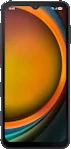 Samsung Galaxy XCover 7 Pro
|
|
|---|---|---|
| Screen | 6.8" | 6.6" |
| Display | LTPO AMOLED | IPS LCD |
| Resolution | 1264 x 2780 | 1080 x 2408 |
| Pixels Per Inch | 449 | 400 |
| Rear Camera | 50 Megapixels | 50 Megapixels |
| Front Camera | 50 Megapixels | 13 Megapixels |
| Chipset | Qualcomm SM8845 Snapdragon 8 Gen 5 (3 nm) | Qualcomm SM7635 Snapdragon 7s Gen 3 (4 nm) |
| Battery | 5,200 mAh | 4,350 mAh |
| Storage | 512GB | 128GB |
| OS | Android 16 | Android 15 |
| SIM Type | nano-SIM and e-SIM | nano-SIM and e-SIM |
| Connectivity | Up to 5G | Up to 5G |
| Wi-Fi | 802.11 a/b/g/n/ac/6/7 | 802.11 a/b/g/n/ac |
| Bluetooth | 6.0, A2DP, LE | 5.4, A2DP, LE |
| Dimensions | 162.1 x 76.4 x 7 mm | 168.6 x 79.9 x 10.2 mm |
| Weight | 186 grams | 240 grams |
| Water Resistance | IP68/IP69 dust tight and water resistant (high pressure water jets; immersible up to 1.2m for 30 min | IP68 - Dust and water resistant over 1.5 meter and 30 minutes |
| Contracts |
£19.99/mo
£319.00 upfront |
- |
| SIM-free | £897.00 | £499.00 |
| Prices updated 27 July 2026 | ||
| Deals | Deals | |
Cheapest Deals


Related Comparisons
Frequently Asked Questions
Which has the better screen, the Motorola Signature or Samsung Galaxy XCover 7 Pro?
The Motorola Signature has the bigger screen at 6.8" compared to the Samsung Galaxy XCover 7 Pro's 6.6", the Motorola Signature has the sharper display at 449 pixels per inch versus 400, and the Motorola Signature uses a LTPO AMOLED panel while the Samsung Galaxy XCover 7 Pro has a IPS LCD.
Which has the better camera, the Motorola Signature or Samsung Galaxy XCover 7 Pro?
The Motorola Signature features a 50 Megapixels rear camera, while the Samsung Galaxy XCover 7 Pro has a 50 Megapixels rear camera. Both devices also have front-facing cameras for selfies and video calls.
Which is cheaper to buy SIM-free, the Motorola Signature or Samsung Galaxy XCover 7 Pro?
The Samsung Galaxy XCover 7 Pro is cheaper SIM-free, starting from £499.00.
What storage options are available for the Motorola Signature and Samsung Galaxy XCover 7 Pro?
The Motorola Signature is available in 512GB, while the Samsung Galaxy XCover 7 Pro comes in 128GB.
What processors do the Motorola Signature and Samsung Galaxy XCover 7 Pro use?
The Motorola Signature is powered by the Qualcomm SM8845 Snapdragon 8 Gen 5 (3 nm), while the Samsung Galaxy XCover 7 Pro uses the Qualcomm SM7635 Snapdragon 7s Gen 3 (4 nm).
Which is easier to carry and hold, the Motorola Signature or Samsung Galaxy XCover 7 Pro?
The Motorola Signature is the more portable of the two: it's 54g lighter at 186 grams, it's also the more compact phone at 162.1 x 76.4 x 7 mm, and is slimmer at 7mm thick.
Which is more water resistant, the Motorola Signature or Samsung Galaxy XCover 7 Pro?
The Motorola Signature is rated IP68/IP69 dust tight and water resistant (high pressure water jets; immersible up to 1.2m for 30 min, while the Samsung Galaxy XCover 7 Pro is rated IP68 - Dust and water resistant over 1.5 meter and 30 minutes.
What operating system do the Motorola Signature and Samsung Galaxy XCover 7 Pro run?
The Motorola Signature runs Android 16 and the Samsung Galaxy XCover 7 Pro runs Android 15. This is one of the biggest factors when choosing between the two, as each ecosystem has its own apps, services and features.