Motorola Razr 40 5G vs Motorola Razr 60
6 reviews 3.7
12 reviews
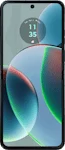 Motorola Razr 40 5G
|
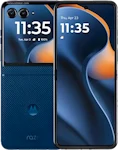 Motorola Razr 60
|
|
|---|---|---|
| Expert Rating | 3.9 6 reviews |
3.7 12 reviews |
| Screen | 6.9" | 6.9" |
| Display | LTPO AMOLED | Foldable LTPO AMOLED |
| Resolution | 1080 x 2640 | 1080 x 2640 |
| Pixels Per Inch | 413 | 413 |
| Rear Camera | 64 Megapixels | 50 Megapixels |
| Front Camera | 32 Megapixels | 50 Megapixels |
| Chipset | Qualcomm SM7450-AB Snapdragon 7 Gen 1 (4 nm) | Mediatek Dimensity 7400X (4 nm) |
| Battery | 4,200 mAh | 4,500 mAh |
| Storage | 256GB | 256GB |
| OS | Android 13 | Android |
| SIM Type | Nano SIM | nano-SIM and e-SIM |
| Connectivity | Up to 5G | Up to 5G |
| Wi-Fi | 802.11 a/b/g/n/ac/6e | 802.11 a/b/g/n/ac/6e |
| Bluetooth | 5.3, A2DP, LE | 5.4, A2DP, LE |
| Dimensions | 170.8 x 74 x 7.4 mm | 171.3 x 74 x 7.3 mm |
| Weight | 188 grams | 188 grams |
| Water Resistance | Not rated | IP48 dust and water resistant (dust > 1mm; immersible up to 1.5m for 30 min) |
| Contracts | - |
£20.58/mo
£315.00 upfront |
| SIM-free | £304.99 | - |
| Deals | Deals |
Cheapest Deals


Related Comparisons
Frequently Asked Questions
Which has the better screen, the Motorola Razr 40 5G or Motorola Razr 60?
Both phones have a similar screen size at around 6.9", both screens are similarly sharp at around 413 pixels per inch, and the Motorola Razr 40 5G uses a LTPO AMOLED panel while the Motorola Razr 60 has a Foldable LTPO AMOLED.
Which has the better camera, the Motorola Razr 40 5G or Motorola Razr 60?
The Motorola Razr 40 5G features a 64 Megapixels rear camera, while the Motorola Razr 60 has a 50 Megapixels rear camera. Both devices also have front-facing cameras for selfies and video calls.
What storage options are available for the Motorola Razr 40 5G and Motorola Razr 60?
The Motorola Razr 40 5G is available in 256GB, while the Motorola Razr 60 comes in 256GB.
What processors do the Motorola Razr 40 5G and Motorola Razr 60 use?
The Motorola Razr 40 5G is powered by the Qualcomm SM7450-AB Snapdragon 7 Gen 1 (4 nm), while the Motorola Razr 60 uses the Mediatek Dimensity 7400X (4 nm).
Which is easier to carry and hold, the Motorola Razr 40 5G or Motorola Razr 60?
They weigh about the same (188 grams vs 188 grams), both are similar in overall footprint.
Which is more water resistant, the Motorola Razr 40 5G or Motorola Razr 60?
The Motorola Razr 40 5G is rated Not rated, while the Motorola Razr 60 is rated IP48 dust and water resistant (dust > 1mm; immersible up to 1.5m for 30 min).
What operating system do the Motorola Razr 40 5G and Motorola Razr 60 run?
The Motorola Razr 40 5G runs Android 13 and the Motorola Razr 60 runs Android. This is one of the biggest factors when choosing between the two, as each ecosystem has its own apps, services and features.