Apple iPhone Air vs Samsung Galaxy S26+
Our verdict: On contract, the Apple iPhone Air works out £30.51 cheaper overall than the Samsung Galaxy S26+. The Samsung Galaxy S26+ wins on display with a bigger 6.7" screen and a sharper 513 PPI. If you'd rather buy outright, the Apple iPhone Air starts at £645.99 SIM-free. The Apple iPhone Air gives you more flexibility with 3 storage options to choose from.
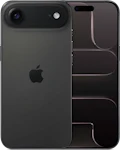 Apple iPhone Air
|
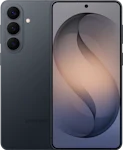 Samsung Galaxy S26+
|
|
|---|---|---|
| Screen | 6.5" | 6.7" |
| Display | LTPO Super Retina XDR OLED | Dynamic LTPO AMOLED 2X |
| Resolution | 1206 x 2622 | 1440 x 3120 |
| Pixels Per Inch | 444 | 513 |
| Rear Camera | 48 Megapixels | 50 Megapixels |
| Front Camera | 18 Megapixels | 12 Megapixels |
| Chipset | Apple A19 Pro (3 nm) | Qualcomm SM8850-AC Snapdragon 8 Elite Gen 5 (3 nm) |
| Storage | 256GB, 512GB, 1TB | 256GB, 512GB |
| OS | Apple iOS | Android 16 |
| SIM Type | e- SIM | nano-SIM and e-SIM |
| Connectivity | Up to 5G | Up to 5G |
| Wi-Fi | 802.11 a/b/g/n/ac/6e/7 | 802.11 a/b/g/n/ac/6e/7 |
| Bluetooth | 6.0, A2DP, LE | 5.4, A2DP, LE |
| Dimensions | 156.2 x 74.7 x 5.6 mm | 158.4 x 75.8 x 7.3 mm |
| Weight | 165 grams | 190 grams |
| Water Resistance | IP68 dust/water resistant (up to 6m for 30 mins) | IP 68 |
| Contracts |
£29.99/mo
£159.00 upfront |
£26.00/mo
£449.00 upfront |
| SIM-free | £645.99 | £854.10 |
| Deals | Deals |
Frequently Asked Questions
Is the Apple iPhone Air or Samsung Galaxy S26+ cheaper on contract?
Based on total cost of ownership, the Apple iPhone Air is cheaper on contract at £890.93 over the life of the deal from £29.99 per month with £159.00 upfront.
Which has the better screen, the Apple iPhone Air or Samsung Galaxy S26+?
The Samsung Galaxy S26+ has the bigger screen at 6.7" compared to the Apple iPhone Air's 6.5", the Samsung Galaxy S26+ has the sharper display at 513 pixels per inch versus 444, and the Apple iPhone Air uses a LTPO Super Retina XDR OLED panel while the Samsung Galaxy S26+ has a Dynamic LTPO AMOLED 2X.
Which has the better camera, the Apple iPhone Air or Samsung Galaxy S26+?
The Apple iPhone Air features a 48 Megapixels rear camera, while the Samsung Galaxy S26+ has a 50 Megapixels rear camera. Both devices also have front-facing cameras for selfies and video calls.
Which is cheaper to buy SIM-free, the Apple iPhone Air or Samsung Galaxy S26+?
The Apple iPhone Air is cheaper SIM-free, starting from £645.99.
What storage options are available for the Apple iPhone Air and Samsung Galaxy S26+?
The Apple iPhone Air is available in 256GB, 512GB, 1TB, while the Samsung Galaxy S26+ comes in 256GB, 512GB.
What processors do the Apple iPhone Air and Samsung Galaxy S26+ use?
The Apple iPhone Air is powered by the Apple A19 Pro (3 nm), while the Samsung Galaxy S26+ uses the Qualcomm SM8850-AC Snapdragon 8 Elite Gen 5 (3 nm).
Which is easier to carry and hold, the Apple iPhone Air or Samsung Galaxy S26+?
The Apple iPhone Air is the more portable of the two — it's 25g lighter at 165 grams, it's also the more compact phone at 156.2 x 74.7 x 5.6 mm, and is slimmer at 5.6mm thick.
Which is more water resistant, the Apple iPhone Air or Samsung Galaxy S26+?
The Apple iPhone Air is rated IP68 dust/water resistant (up to 6m for 30 mins), while the Samsung Galaxy S26+ is rated IP 68.
What operating system do the Apple iPhone Air and Samsung Galaxy S26+ run?
The Apple iPhone Air runs Apple iOS and the Samsung Galaxy S26+ runs Android 16. This is one of the biggest factors when choosing between the two, as each ecosystem has its own apps, services and features.