Samsung Galaxy Note20 Ultra 5G vs Samsung Galaxy S22 Plus
Our verdict: On the screen front, the Samsung Galaxy Note20 Ultra 5G pulls ahead with 6.9" and 509 PPI. Photography fans should note the Samsung Galaxy S22 Plus packs a 50MP main sensor. At 0g, the Samsung Galaxy Note20 Ultra 5G is the lighter of the two. You get more storage flexibility with the Samsung Galaxy Note20 Ultra 5G, which comes in 3 variants.
10 reviews 4.1
10 reviews
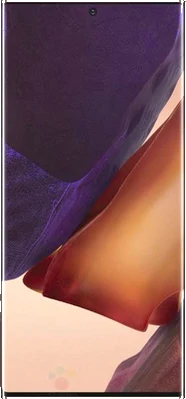 Samsung Galaxy Note20 Ultra 5G
|
 Samsung Galaxy S22 Plus
|
|
|---|---|---|
| Expert Rating | 4.2 10 reviews |
4.1 10 reviews |
| Screen | 6.9" | 6.6" |
| Display | Dynamic AMOLED 2X capacitive touchscreen | AMOLED |
| Resolution | 1440 x 3200 | 1080 x 2340 |
| Pixels Per Inch | 509 | 390 |
| Rear Camera | 12 Megapixels | 50 Megapixels |
| Front Camera | 10 Megapixels | 10 Megapixels |
| Chipset | Exynos 990 | Exynos 2200 |
| Storage | 128GB, 256GB, 512GB | 128GB, 256GB |
| OS | Android 10 | Android 12 |
| SIM Type | Standard SIM | Nano SIM |
| Connectivity | Up to 5G | Up to 5G |
| Wi-Fi | 802.11 a/b/g/n/ac/6 | 802.11 a/b/g/n/ac/6 |
| Bluetooth | 5.1 with A2DP, LE, aptX | 5.2, A2DP, LE |
| Dimensions | 164.8 x 77.2 x 8.1 mm | 157.4 x 75.8 x 7.6 mm |
| Weight | 0 grams | 195 grams |
| Water Resistance | IP68 - Dust and water resistant over 1.5 meter and 30 minutes | IP68 - Dust and water resistant over 1.5 meter and 30 minutes |
| Contracts | — | — |
| SIM-free | — | £172.99 |
| Deals | Deals |
Frequently Asked Questions
Which has the better screen, the Samsung Galaxy Note20 Ultra 5G or Samsung Galaxy S22 Plus?
The Samsung Galaxy Note20 Ultra 5G has the bigger screen at 6.9" compared to the Samsung Galaxy S22 Plus's 6.6", the Samsung Galaxy Note20 Ultra 5G has the sharper display at 509 pixels per inch versus 390, and the Samsung Galaxy Note20 Ultra 5G uses a Dynamic AMOLED 2X capacitive touchscreen panel while the Samsung Galaxy S22 Plus has a AMOLED.
Which has the better camera, the Samsung Galaxy Note20 Ultra 5G or Samsung Galaxy S22 Plus?
The Samsung Galaxy Note20 Ultra 5G features a 12 Megapixels rear camera, while the Samsung Galaxy S22 Plus has a 50 Megapixels rear camera. Both devices also have front-facing cameras for selfies and video calls.
What storage options are available for the Samsung Galaxy Note20 Ultra 5G and Samsung Galaxy S22 Plus?
The Samsung Galaxy Note20 Ultra 5G is available in 128GB, 256GB, 512GB, while the Samsung Galaxy S22 Plus comes in 128GB, 256GB.
What processors do the Samsung Galaxy Note20 Ultra 5G and Samsung Galaxy S22 Plus use?
The Samsung Galaxy Note20 Ultra 5G is powered by the Exynos 990, while the Samsung Galaxy S22 Plus uses the Exynos 2200.
Which is easier to carry and hold, the Samsung Galaxy Note20 Ultra 5G or Samsung Galaxy S22 Plus?
It's a trade-off: the Samsung Galaxy Note20 Ultra 5G is lighter but the Samsung Galaxy S22 Plus is more compact. It's 195g lighter at 0 grams, though the Samsung Galaxy S22 Plus is actually the more compact phone at 157.4 x 75.8 x 7.6 mm, the Samsung Galaxy S22 Plus is slimmer at 7.6mm thick.
Which is more water resistant, the Samsung Galaxy Note20 Ultra 5G or Samsung Galaxy S22 Plus?
Both phones share the same water resistance rating of IP68 - Dust and water resistant over 1.5 meter and 30 minutes.
What operating system do the Samsung Galaxy Note20 Ultra 5G and Samsung Galaxy S22 Plus run?
The Samsung Galaxy Note20 Ultra 5G runs Android 10 and the Samsung Galaxy S22 Plus runs Android 12. This is one of the biggest factors when choosing between the two, as each ecosystem has its own apps, services and features.